
Read time: 3 minutes
Since the original CHOICE report in June 2025, the TGA has issued recalls on a number of sunscreens that failed to meet their SPF claims. The TGA also raised significant concerns about the reliability of SPF testing undertaken by a UK-based laboratory responsible for testing many of the affected products. With the investigation ongoing and consumer confidence shaken, there's never been a better time to explore what sunscreen actually does - and doesn't - do.
So, let’s clarify a few issues.
Firstly, the UVA and UVB rays from the sun both damage skin. UVB causes sunburn and UVA gets under the skin, accelerating aging and contributing to skin cancer. So, ideally you want a broad-spectrum sunscreen which protects against both.
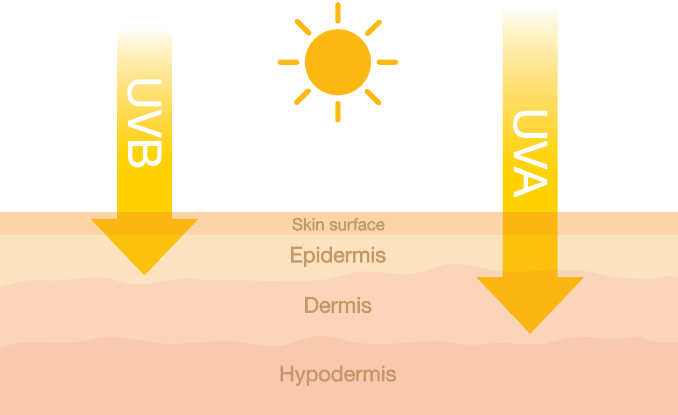
SPF (sun protection factor) is a measure of how much longer skin can be exposed to the sun before burning. SPF 50 means it’s 50 times longer than unprotected skin - but staying out for too long without slapping it on again will still result in burns. Even high SPF sunscreen will still allow around 2% of the UV rays to get through, which is why comprehensive sun protection also includes covering up, broad brimmed hats and shade.
Going back to the CHOICE research, most of the 'failed' sunscreens were still over SPF 20. which Queensland research has shown that SPF 15 is the minimum for effective skin cancer protection. So, anyone inadvertently using one of those products will have received some protection.
Then there’s the issue of safety, because we do absorb some of the sunscreen. However, safety margins are large. Testing assumes daily full-body application year-round, a scenario applicable only to outdoor workers or farmers, not most people.
Two ingredients have been of concern: homosalate and oxybenzone, both have been implicated for hormones disruption and environmental effects. Current formulations should contain these compounds at concentrations well below safety thresholds. Those concerned about these ingredients can check product labels or choose mineral-based alternatives containing zinc oxide or titanium dioxide.
Recommendations:
- Check use-by dates: expired sunscreen loses effectiveness
- Apply liberally: most people use only 25-50% of the recommended amount
- Reapply every two hours, and after swimming or sweating
- Choose reputable brands from established manufacturers
- Combine with other sun-protective behaviours
The bottom line is, not to let the CHOICE findings discourage sunscreen use. Sunscreen remains a critical component of skin cancer prevention. The message is: choose quality products, apply generously and frequently, and use sunscreen as part of comprehensive sun protection - not as a substitute for shade and protective clothing.
What should Practice Connect cover next?
Suggest topics, share challenges, or tell us what your practice needs to know.
